
"defect grading"
2000 article(s) found

Introduction to the characteristics of varieties produced by description and treatment of Grade Flavor of washed Coffee beans
The process of screening the grade of washed coffee beans is to put the coffee beans on the Internet and shake them back and forth by machine or manually, the beans the size of a mesh will fall and be removed, and the beans that have been removed will be screened through a smaller sieve.

The roaster must learn how to select qualified raw coffee beans and screen defective beans.
For professional baristas, please follow the Coffee Workshop (Wechat official account cafe_style) article for heavy coffee knowledge readers, or those who plan to become bakers, purchase notes before buying raw coffee beans. It takes patience to pick beans. Author = Han Huaizong's fine coffee extracted from shell beans must be based on the bean's (1) defect level (2) before being exported.
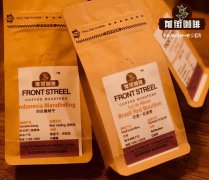
Ethiopian Coffee Bean Story-relationship between Ethiopian Coffee Bean grading and defect rate
Professional coffee knowledge exchange more coffee bean information please follow the coffee workshop (Wechat official account cafe_style) in all the coffee producing areas, the most familiar is Ethiopia, because this is the recognized birthplace of coffee. At first, coffee fruit was regarded as a fruit rather than a drink. Ethiopian coffee beans taste very diverse, from oranges and flowers

Classification standard and food safety standard of coffee beans what documents do you need to apply for to open a coffee shop?
Coffee bean grading standards and food safety standards what documents are required to open a coffee shop this is the earliest grading method, and it is still in use in many parts of Brazil. The method of identification is to randomly take 300 grams of samples and put them on black paper, because black paper can best avoid reflection; then a professional appraiser will examine it carefully to find out the defective beans in the sample and press the defective ones.

Kenya grades Kenyan boutique coffee beans
Kenya Cupping (Simon) 2015-08-01 16:00 usually Kenya coffee is classified as follows: 1) Common classification: coffee fruits picked by hand, picked by hand, picked out immature fruit (unripe), overripe fruit (overripe) and other defects, peeled, fermented for about 36 hours, placed on a metal grid for sun drying

The production method of washing Yega Xuefei Ethiopian coffee beans to treat coffee beans
Ethiopian coffee beans are divided into five levels. The first and second stages are washed beans. Washed beans Grade1 represents 3 defective beans per 300g raw beans, and Grade2 represents 4 defective beans per 300g. Gradc1 grade water washed beans are very rare and are generally difficult to buy. At present, all the washed beans exported from Ethiopia are Grade2 grade. The quality of sun-dried beans is Grade3 and Grad in order.

Isn't NO1 the best? Hawaiian coffee bean grading system introduces how much is Hawaiian round bean coffee
Professional coffee knowledge exchange more coffee bean information please pay attention to the coffee workshop (Wechat official account cafe_style) round beans commonly known as public beans, it is a variety of coffee beans, known in English as Peaberry, also known as caracoli. In fact, the round bean can be said to be a kind of defect in theory, and the reason for this kind of defect is usually caused by insects, including coffee before setting fruit.

Are Ethiopian coffee beans G1 and G2 just different in the number of defective beans?
Ethiopian coffee beans G1 and G2 are only different in the number of defective beans. Honey treatment is to remove immature beans and other defective bean leaves after flotation of coffee beans, and then carry out red, yellow and black treatment according to different regions. Yellow honey usually removes the most peel, about 40 percent peel, red honey 25 percent peel, black honey only peel, and then

Blue Mountain Coffee Grade authentic Blue Mountain Coffee Taste and flavor is Blue Mountain Coffee expensive?
What's the taste of Blue Mountain Coffee? Is it authentic? Blue Mountain No. 1 Blue Mountain No. 1 beans 96% of the coffee beans must be a sieve size of 17gray 18, no more than 2% of the defective beans. Blue Mountain No. 2 Blue Mountain No.2 beans 96% of coffee beans must be sieve size 16, no more than 2% of defective beans. Blue Mountain No. 3 Lanshan No.3 bean 96%
How many kinds of coffee do you know about the ten kinds of defective beans?
One of the most important factors affecting the quality of coffee is defective beans. The number of defective beans also affects the grade of coffee. For example, the coffee evaluation method used in Brazil is the deduction method, which is graded according to the number of defective beans in 300 grams of staple beans per gram. For example, coffee is hand-selected, so successful hand-selection is also necessary to have a comprehensive understanding of the types of defective beans.
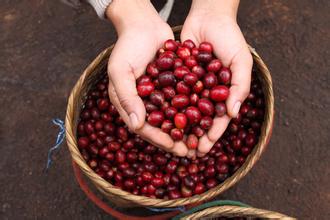
Distinguish coffee beans and the grading of coffee beans how to distinguish the quality of coffee beans coffee knowledge
● distinguishes the key names and specifications of coffee beans the name of the port of export of ● can tell the shipping route from the name of the port of exit marked. Coffee from the same origin or the same brand has a certain route, so it is also exported from the same port. For example, if it is marked "Brazil." "Santos" means that this is coffee exported from Santos, with the exception of those marked "mocha".

High-quality coffee beans knowledge coffee ten kinds of defective beans
One of the most important factors affecting the quality of coffee is defective beans. The number of defective beans also affects the grade of coffee. For example, the coffee evaluation method used in Brazil is the deduction method, which is graded according to the number of defective beans in 300 grams of staple beans per gram. For example, coffee is hand-selected, so successful hand-selection is also necessary to have a comprehensive understanding of the types of defective beans.

Ethiopian coffee beans are graded system Ethiopian coffee beans story and flavor
Following Kaibei (Wechat official account vdailycom) found that the Cafe Beautiful opened a small shop of its own Ethiopia Coffee beans divided into five levels. The first and second stages are washed beans. Washed beans Grade1 represents 3 defective beans per 300g raw beans, and Grade2 represents 4 defective beans per 300g. Gradc1 grade water washed beans are very rare and are generally difficult to buy.
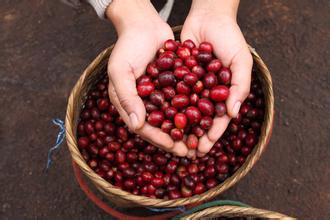
Distinguishing coffee beans and the grading of coffee beans teaches you how to distinguish coffee beans.
● distinguishes the key names and specifications of coffee beans the name of the port of export of ● can tell the shipping route from the name of the port of exit marked. Coffee from the same origin or the same brand has a certain route, so it is also exported from the same port. For example, if it is marked "Brazil." "Santos" means that this is coffee exported from Santos, with the exception of those marked "mocha".

How to drink coffee beans washed in Ethiopian tea Liku water _ introduction to Ethiopian coffee producing areas
Professional coffee knowledge exchange more coffee bean information please follow the coffee workshop (Wechat official account cafe_style) Ethiopian coffee Ethiopia Ethiopia is the birthplace of coffee, legend has it that an unknown shepherd Kadi Kaldia found this best-selling mysterious red fruit: coffee, while herding sheep in the forests of western Ethiopia.

How to get the Q-Grader of "coffee quality appraiser"? Is it difficult to get a Q?
Professional coffee knowledge exchange more coffee bean information please follow the coffee workshop (Wechat official account cafe_style) We like coffee, are attracted by the aroma of coffee, can not wait to drink the entrance, but there are some small steps to make the tip of your tongue amazing to the deep taste of coffee. These are the cup testers must have a basic understanding: smell: coffee aroma from different producing areas, flower, fruit, grass.

Introduction of Ethiopian Coffee Grade Analysis of Ethiopian Coffee beans
Ethiopian coffee beans are divided into five levels. The first and second stages are washed beans. Washed beans Grade1 represents 3 defective beans per 300g raw beans, and Grade2 represents 4 defective beans per 300g. Gradc1 grade water washed beans are very rare and are generally difficult to buy. At present, all the washed beans exported from Ethiopia are Grade2 grade. The quality of sun-dried beans is Grade3 and Grad in order.
American Special Coffee Association Coffee Raw Bean Classification description
Level 1: special product defects: 0-5 do not allow to contain obvious defects total sample weight: 300 grams sample size difference: less than 5% 5% or so, or within the specified range of appreciation features: must be at least a little outstanding in the following characteristics: taste, sour taste, taste, aroma. The characteristics will be determined by both the buyer and the seller. After cup testing and appreciation, there are no defects. Baking difference
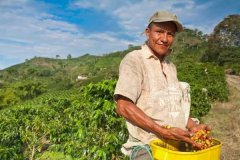
What does the classification of Ethiopian coffee mean by washing and tanning G1?
Ethiopian coffee beans are divided into five levels. The first and second stages are washed beans. Washed beans Grade1 represents 3 defective beans per 300g raw beans, and Grade2 represents 4 defective beans per 300g. Gradc1 grade water washed beans are very rare and are generally difficult to buy. At present, all the washed beans exported from Ethiopia are Grade2 grade. The quality of sun-dried beans is Grade3 and Grade4 in order.

Honduran Coffee grading system grading Standards for Honduran Coffee
Professional coffee knowledge exchange more coffee bean information please pay attention to the coffee workshop (Wechat official account cafe_style) Honduras coffee classification in Honduras, using the elevation and defect rate classification system, in which the defect rate classification is divided into the United States and Europe two standards, without much explanation here, but the elevation classification is as follows: Strictly High Grown (SHG):